


Traditional braces remain one of the most effective and predictable ways to straighten teeth and correct bite problems. Today’s braces are smaller and more comfortable than many people expect, while giving your orthodontist precise control over how each tooth moves.
At Beyond Smiles Orthodontics in Syosset, Dr. Isaak Yelizar creates a treatment plan around your individual teeth, bite, and goals. Whether treatment is relatively straightforward or requires more complex movement, braces give us a reliable way to build a healthier, better-aligned smile.
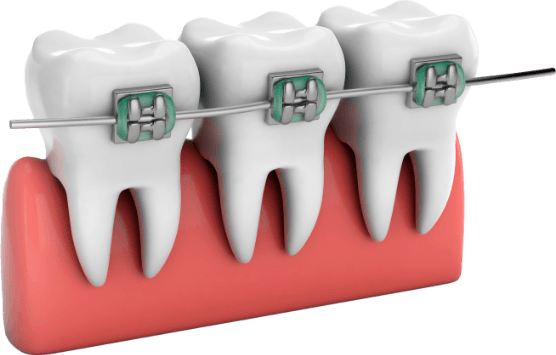
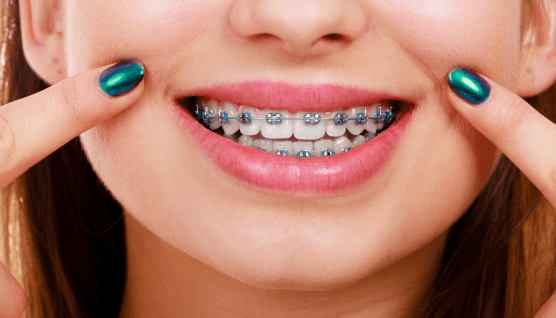

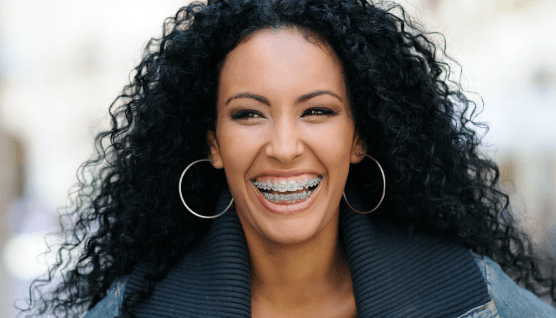
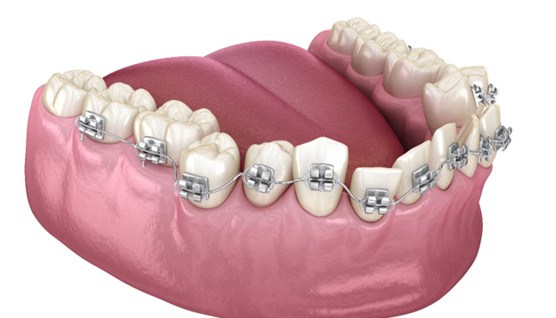
Traditional metal braces use stainless-steel brackets and orthodontic wires to gradually guide the teeth into their planned positions. Modern brackets are smaller and lower-profile than the braces many adults remember from the past, while still giving us excellent control over tooth movement.
Metal braces are reliable, efficient, and capable of treating a wide range of orthodontic problems, from relatively simple crowding and spacing to more complex bite concerns.
Because they remain attached throughout treatment, you also do not have to worry about remembering to wear an appliance for a certain number of hours each day.
For patients who want to personalize their braces, colored elastic ties can make treatment a little more fun.
Traditional braces can be used for children, teenagers, and adults. They may be especially helpful when treatment requires precise or complex tooth movement or when a fixed appliance is preferable to removable aligners.
Dr. Yelizar will evaluate your teeth and bite before recommending the treatment system that is best suited to your needs.
Treatment time varies considerably depending on the complexity of the case. Many comprehensive treatments take approximately 18 to 24 months, although simpler cases may require less time.
Your individual timeline will be discussed after your orthodontic evaluation.
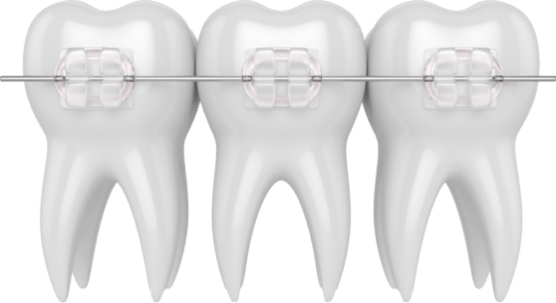

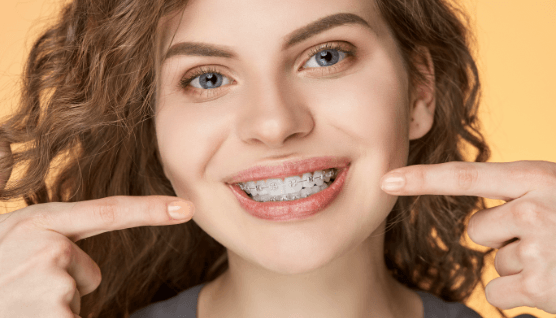
Clear ceramic braces work similarly to traditional braces but use translucent or tooth-colored brackets designed to blend more naturally with your smile.
They give patients many of the advantages of fixed braces while making the appliance less noticeable during everyday conversations, photographs, work, and social situations.
The biggest advantage is discretion.
Ceramic braces allow Dr. Yelizar to maintain direct control over tooth movement without requiring patients to wear and remove aligners throughout the day.
For adults and teenagers who want a less noticeable treatment but prefer the consistency of fixed braces, ceramic brackets can offer an appealing middle ground between metal braces and clear aligners.
Clear ceramic braces can be a great option for teenagers and adults who are concerned about the appearance of traditional metal brackets.
They can also appeal to patients who like the idea of a more discreet treatment but do not want the responsibility of meeting the daily wear-time requirements associated with removable aligners.
Whether ceramic braces are appropriate will depend on your individual orthodontic needs.
Treatment time with ceramic braces is generally based on the same factors that determine treatment time with traditional braces, including the complexity of your alignment and bite.
Many comprehensive cases fall within approximately 18 to 24 months, but your individual treatment may be shorter or longer.

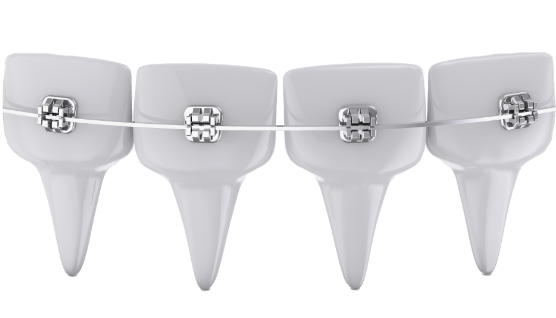
Pitts 21 is a self-ligating bracket system designed to give orthodontists precise control over tooth movement.
Unlike conventional braces that commonly use elastic ties to hold the orthodontic wire in place, self-ligating brackets use a built-in mechanism within the bracket itself.
Pitts 21 systems are available in different materials, including options for patients looking for a less noticeable appearance.
Because the bracket holds the wire without traditional elastic ties, the system can simplify the way the wire interacts with the bracket and eliminate the need for those ties.
For patients, that can mean fewer areas around the bracket where plaque and food debris can collect, although excellent brushing and flossing are still essential throughout orthodontic treatment.
The system also gives Dr. Yelizar another tool for precisely controlling tooth position as your smile develops.
Pitts 21 self-ligating braces may be an option for teenagers and adults with a variety of orthodontic concerns.
The right bracket system depends less on choosing the newest technology and more on selecting the appliance that makes sense for your teeth, bite, treatment goals, and Dr. Yelizar’s treatment plan.
Treatment time depends primarily on what needs to be corrected rather than the name of the bracket system being used.
Some patients treated with Pitts 21 may complete comprehensive treatment within approximately 12 to 18 months, while more complex cases can require additional time. Dr. Yelizar can provide a more meaningful estimate after evaluating your individual case.
The cost of braces depends on the treatment you actually need.
A relatively straightforward case requiring limited treatment will not necessarily cost the same as comprehensive orthodontic care involving significant bite correction and a longer treatment period.
Factors that can affect your treatment cost include:
During your consultation, we will explain your recommended treatment and provide a clear estimate before you decide to move forward.

No. There is no age at which wanting healthier tooth alignment suddenly stops making sense. Adults can successfully undergo orthodontic treatment as long as their teeth, gums, and supporting structures are healthy enough for treatment.
Adult treatment can differ from treatment in growing children and teenagers, which is why an individual evaluation is important.
Neither option is automatically better. It depends on your orthodontic problem, treatment goals, lifestyle, and the movements your teeth need to make.
Braces can provide particularly precise control and do not depend on patient wear time. Clear aligners offer removability and a more discreet appearance. Dr. Yelizar can explain the advantages and limitations of each for your specific case.
You may experience pressure or soreness for a few days after braces are first placed or following certain adjustments. This is usually temporary and improves as your mouth adapts.
You will return periodically so we can monitor tooth movement, evaluate your progress, and make necessary adjustments. Your exact appointment schedule will depend on your treatment plan and how your teeth are responding.
Hard, sticky, and very chewy foods can damage brackets and wires. We will give you specific instructions when your braces are placed so you know what to avoid and how to protect your appliances throughout treatment.
Yes. Traditional braces can be used to treat many types of bite problems, including overbites, underbites, crossbites, and open bites. The appropriate treatment depends on what is causing the bite problem and its severity.
Jaw pain and temporomandibular disorders can have many different causes. Orthodontic treatment may be appropriate when a patient’s bite or tooth position is part of the overall problem, but braces should not be presented as a universal treatment for TMJ pain. Dr. Yelizar can evaluate your bite and determine whether orthodontic treatment is appropriate.
Yes. Retention is an essential part of orthodontic treatment. Your retainer helps prevent your teeth from shifting after your braces are removed. We will provide a retention plan based on your individual treatment and result.