
True orthodontic emergencies are uncommon, but broken brackets, poking wires, lost retainers, and unexpected discomfort can happen. Knowing what to do can help protect your appliance, relieve discomfort, and keep your treatment moving forward.

If something does not feel right, contact Beyond Smiles Orthodontics. Our team can help determine whether you need to come into the office or whether the problem can be temporarily managed at home.

Contact Beyond Smiles Orthodontics

What to Do in an Orthodontic Emergency

Your first step should usually be to call our office. Tell us what happened, what type of appliance you are wearing, and whether you are experiencing pain, swelling, bleeding, or another symptom.

Our team can provide instructions for managing the situation and determine how quickly Dr. Isaak Yelizar needs to see you.

If an office visit is necessary, we will evaluate the problem and determine what needs to be repaired, replaced, or adjusted to keep your treatment on track.
Common Orthodontic Emergencies

Some orthodontic problems require an office visit, while others can be temporarily managed at home. If you are unsure, call us. We would rather help you determine what is happening than have you ignore a problem that could interfere with treatment.

Toothaches

Loose Bracket

Broken Wire

Poking Wire

Mouth Sores

Broken Ligature

Soft Tissue Cuts

Something Stuck Between Teeth

Broken or Lost Retainer

Loose Teeth

When Should I Go to the Emergency Room?

Most broken braces, lost retainers, and poking wires do not require a hospital emergency room.

However, seek emergency medical care for serious facial trauma, uncontrolled bleeding, difficulty breathing or swallowing, a suspected jaw fracture, or another potentially life-threatening condition.

Once any immediate medical concern has been addressed, contact Beyond Smiles so we can evaluate your orthodontic appliance and determine whether repairs are necessary.

How Much Does an Orthodontic Emergency Cost?

The cost depends on what happened and what is required to correct it. A minor adjustment may be relatively simple, while replacing a lost appliance or repairing more extensive damage may involve an additional cost.

If treatment is required, our team will explain what needs to be done and whether any additional fee applies.

Every Orthodontic Emergency Is Different

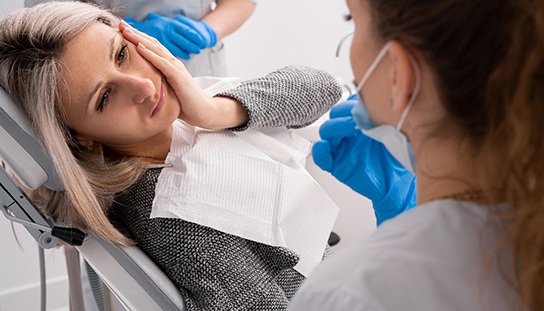
Keep in mind that since every person’s smile and orthodontic treatment differ, no two orthodontic emergencies truly look the same. But this isn’t a reason to worry; even the direst circumstances can be treated, and most of the time, these situations aren’t too severe to begin with. In any case, the first thing we’ll do once you arrive is quickly and carefully examine your situation, to determine the extent of the damage and what will be required to treat you.

Does Dental Insurance Cover Orthodontic Emergencies?

You’ll be happy to hear that most dental insurance providers offer some degree of coverage for orthodontic emergencies, but this coverage varies from plan to plan. This is why it’s always going to be in your best interest to familiarize yourself with the details of your policy, ideally before committing to orthodontic treatment. If your plan doesn’t provide any orthodontic benefits, it’s also possible to purchase supplementary orthodontic insurance. Our team is more than happy to review the specifics of your plan with you to ensure that you’re making the most of your benefits whenever possible!

Other Options for Making Orthodontic Emergencies Affordable

Lacking dental insurance should never be a roadblock that prevents you from receiving necessary orthodontic care. That’s why our practice is proud to offer means of making your treatment more affordable, including our “Interest-Free In-House” option, which lets us work out a low down payment and no-interest monthly payments that fit within your individual budget. We’re also excited to provide a “Sibling Discount,” which offers discounted rates for siblings or any other family members wanting to begin treatment with us. We also work with LendingPoint, a third-party financer that helps qualifying patients break up their total cost of care into manageable installments.

Taking Care of Your Smile Can Save You Money

In all honesty, the best way you can save money on orthodontic care, including emergency treatment, is by simply taking great care of your smile – patients in good oral health are far less likely to encounter dental or orthodontic emergencies! But in addition to maintaining excellent oral hygiene, you also need to make smart choices. For example, if you have metal braces, you should avoid problematic foods and wear your elastics as instructed. Likewise, if you’re an Invisalign patient, be sure to remove your aligners before eating. In the long run, taking great care of your smile will save you money, since you’re unlikely to suffer unexpected, expensive setbacks.

Preventing Orthodontic Emergencies

Not every problem can be prevented, but taking care of your appliance can significantly reduce the likelihood of unexpected repairs.

  • Avoid hard, sticky, and excessively chewy foods that can damage braces
  • Wear an orthodontic mouthguard during contact sports
  • Do not chew on pens, pencils, fingernails, or ice
  • Brush and floss carefully around your orthodontic appliances
  • Wear clear aligners and retainers according to your instructions
  • Keep your scheduled orthodontic appointments
  • Contact us when something breaks rather than waiting for your next visit

Prioritize Your Check-In Visits

Throughout your teeth-straightening journey, you’ll come into our office periodically. If you have traditional braces, then we’ll use these visits to adjust your brackets and wires and assess the condition of each. In short, these routine visits help prevent orthodontic emergencies like broken wires and loose attachments.

Maintain Good Oral Hygiene At Home

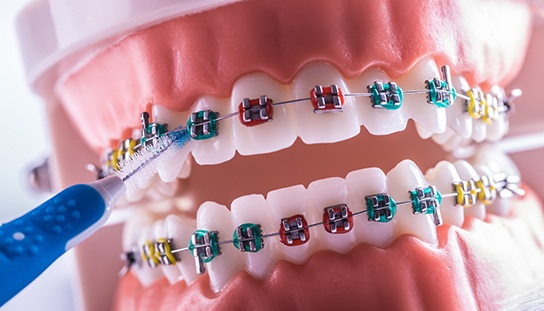
Remember, orthodontic emergencies can extend beyond broken brackets and loose wires. To keep your teeth and gums healthy throughout your teeth-straightening journey, it’s of the utmost importance that you consistently brush, floss, and rinse with mouthwash. If you’ve fallen off-track because you’re having trouble cleaning around your braces, try using special oral hygiene products, like an interproximal toothbrush.

Abide by the Dietary Restrictions

One of the top reasons patients end up at our office due to an orthodontic emergency is because they did something that caused a bracket, wire, or attachment to snap. So, don’t eat chewy, crunchy, and sticky foods during your teeth-straightening journey (i.e., caramel candies, tortilla chips, raw nuts). It’s also important to limit your intake of foods and drinks with added sugar since they can result in a cavity or two developing.

Wear a Mouthguard During Sports

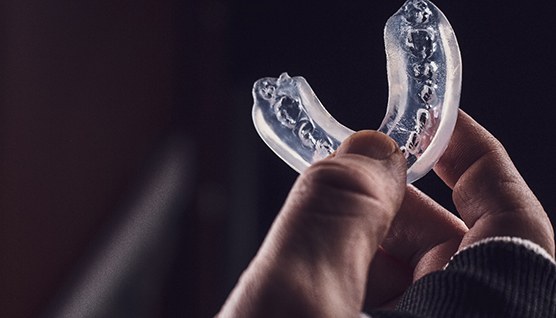
All too often, patients wear protective gear – like kneepads and helmets – but completely forget to protect their teeth (and braces) from harm. We recommend having a custom mouthguard made for that very reason: to protect your smile from accidental bumps, rogue balls, and bad falls. Important note: You should wear a mouthguard even if you participate in a non-contact sport like skateboarding or surfing.

Quit Unhealthy Dental Habits

In short, even habits that seem harmless can increase your risk of experiencing an orthodontic emergency. That’s why we encourage our patients to avoid habits like biting their nails, chewing on ice cubes, or using their teeth as tools to open things.

Orthodontic Emergency FAQs

How Should I Sleep with Tooth Pain?

A

Temporary soreness can occur after an orthodontic adjustment. A cold compress and softer foods may help while your teeth settle. If a bracket or wire is irritating your mouth, orthodontic wax can provide temporary protection. Over-the-counter pain medication may also be used when appropriate according to its label directions.

If pain is severe, worsening, or does not improve as expected, contact our office.

A

Be careful with toothpicks around braces because they can damage your gums or orthodontic appliance. Floss threaders, interdental brushes, and other orthodontic cleaning tools are generally better suited for cleaning around brackets and wires.

A

Braces create additional areas where plaque and food can collect, so persistent bad breath may be a sign that certain areas need more thorough cleaning. Improving brushing and flossing may help, but ongoing bad breath can also have other dental or medical causes. Speak with your dentist or our team if the problem continues.

A

A chipped tooth should still be evaluated even when it is not painful. Contact your general dentist for guidance, and let Beyond Smiles know if the injury occurred during orthodontic treatment or affected your appliance.

A

Usually not. Problems such as loose brackets, broken wires, or lost retainers are generally handled by an orthodontic office. Serious facial trauma, uncontrolled bleeding, difficulty breathing or swallowing, or a suspected jaw fracture should receive emergency medical attention.

Get in Touch With Us, We Believe Your Smile is Worth It.

We Believe

You're Worth It.

Request an Appointment Below