


True orthodontic emergencies are uncommon, but broken brackets, poking wires, lost retainers, and unexpected discomfort can happen. Knowing what to do can help protect your appliance, relieve discomfort, and keep your treatment moving forward.
If something does not feel right, contact Beyond Smiles Orthodontics. Our team can help determine whether you need to come into the office or whether the problem can be temporarily managed at home.
Your first step should usually be to call our office. Tell us what happened, what type of appliance you are wearing, and whether you are experiencing pain, swelling, bleeding, or another symptom.
Our team can provide instructions for managing the situation and determine how quickly Dr. Isaak Yelizar needs to see you.
If an office visit is necessary, we will evaluate the problem and determine what needs to be repaired, replaced, or adjusted to keep your treatment on track.
Some orthodontic problems require an office visit, while others can be temporarily managed at home. If you are unsure, call us. We would rather help you determine what is happening than have you ignore a problem that could interfere with treatment.
Most broken braces, lost retainers, and poking wires do not require a hospital emergency room.
However, seek emergency medical care for serious facial trauma, uncontrolled bleeding, difficulty breathing or swallowing, a suspected jaw fracture, or another potentially life-threatening condition.
Once any immediate medical concern has been addressed, contact Beyond Smiles so we can evaluate your orthodontic appliance and determine whether repairs are necessary.
The cost depends on what happened and what is required to correct it. A minor adjustment may be relatively simple, while replacing a lost appliance or repairing more extensive damage may involve an additional cost.
If treatment is required, our team will explain what needs to be done and whether any additional fee applies.



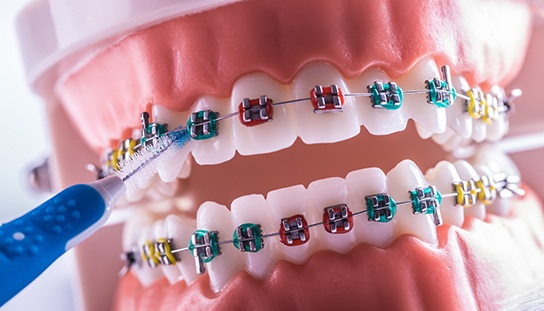
Not every problem can be prevented, but taking care of your appliance can significantly reduce the likelihood of unexpected repairs.



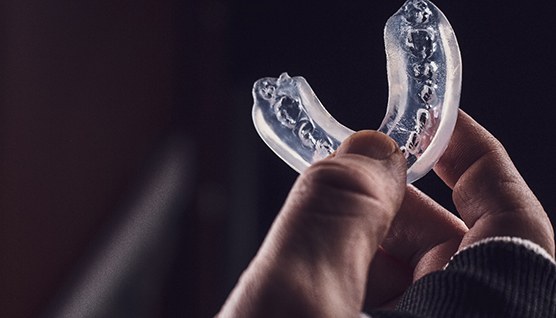

Temporary soreness can occur after an orthodontic adjustment. A cold compress and softer foods may help while your teeth settle. If a bracket or wire is irritating your mouth, orthodontic wax can provide temporary protection. Over-the-counter pain medication may also be used when appropriate according to its label directions.
If pain is severe, worsening, or does not improve as expected, contact our office.
Be careful with toothpicks around braces because they can damage your gums or orthodontic appliance. Floss threaders, interdental brushes, and other orthodontic cleaning tools are generally better suited for cleaning around brackets and wires.
Braces create additional areas where plaque and food can collect, so persistent bad breath may be a sign that certain areas need more thorough cleaning. Improving brushing and flossing may help, but ongoing bad breath can also have other dental or medical causes. Speak with your dentist or our team if the problem continues.
A chipped tooth should still be evaluated even when it is not painful. Contact your general dentist for guidance, and let Beyond Smiles know if the injury occurred during orthodontic treatment or affected your appliance.
Usually not. Problems such as loose brackets, broken wires, or lost retainers are generally handled by an orthodontic office. Serious facial trauma, uncontrolled bleeding, difficulty breathing or swallowing, or a suspected jaw fracture should receive emergency medical attention.